Robinson Bouas-Martinet
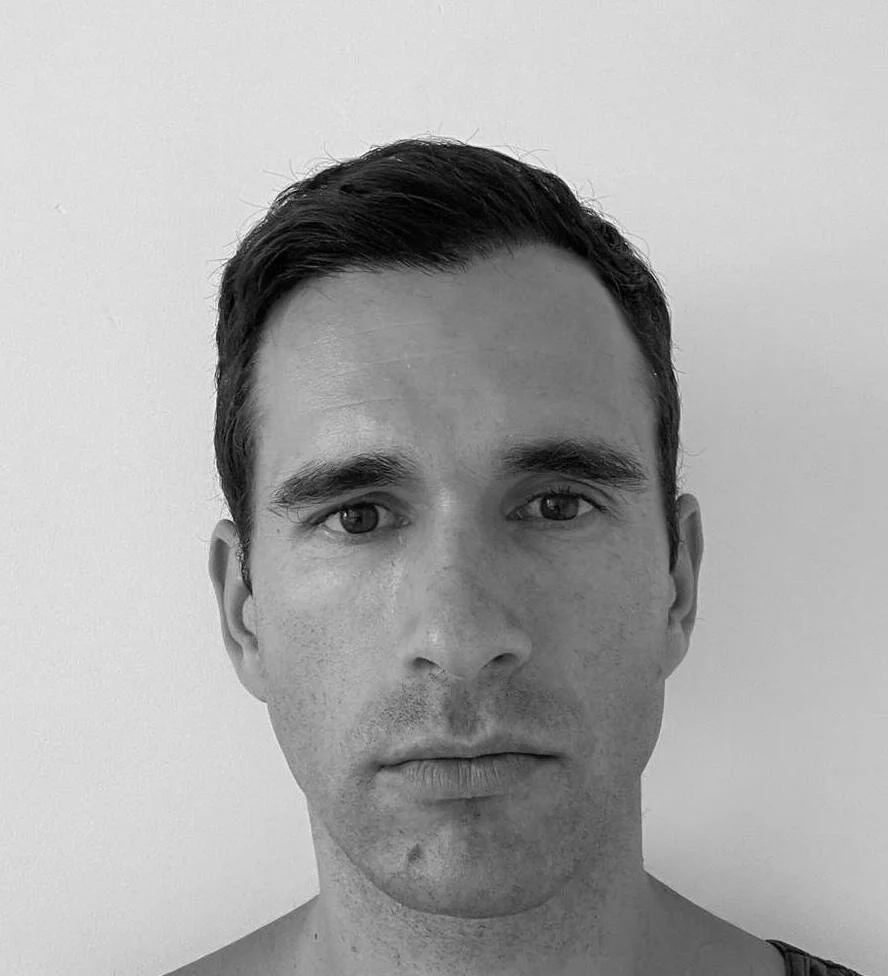
Robinson is a second-year MA student in Clinical Psychology in the Substance Use and Mental Health concentration, following an MBA in Paris and a prior role as Head of Brand at Oura Ring. His research examines how nervous systems co-regulate in therapy and everyday relationships, with particular interest in interpersonal synchrony, digital phenotyping of trauma and dissociation using wearables and ecological momentary assessment, gut–brain and vagal pathways in trauma, and the limits and possibilities of AI-mediated relational care. He is especially interested in how empathic chatbots and digital mental health tools shape therapeutic alliance, physiological safety, and experiences of “pseudo-secure” attachment in individuals with trauma, in comparison to in-person relational presence.
His clinical background includes street outreach with unhoused adults, theater-based work with autistic children, neurorehabilitation groups for adults with acquired brain injury, prison-based restorative justice facilitation, and refugee trauma support, grounding his perspective in complex, system-level trauma. He entered the field through contemporary psychoanalytic and trauma-focused traditions and is increasingly drawn to a career integrating teaching, research, and physiologically informed trauma treatment, with a focus on how shifts in physiology track changes in narrative, trust, emotional repair, shutdown, numbing, and autonomic dysregulation across daily life.
Outside the Lab:
Robinson runs a monthly reading newsletter, where he reviews books across history, philosophy, literature, and fiction for over 1,200 subscribers. Outside of school and research, he is a brown belt in judo, trains Brazilian Jiu-Jitsu, loves cinema and literary fiction, and has a soft spot for vintage motorcycles. He spends most of his non-academic life trying to regulate his nervous system while raising two toddlers in Brooklyn and escaping to the Catskills for “field experiments” in heart rate variability optimization via long walks.
Current Projects
Study involvement: Research assistant on Justine Rudy’s dissertation examining shame and dissociation, and collaborator on two manuscripts on interoception, reflective functioning, and interpersonal synchrony in romantic couples.
Roles (interviews, coding, physiological data collection, analysis) : physiological data collection for the shame–dissociation study.
Presentation
D’Andrea, W., Bouas-Martinet, R. (2025, October). Embodied dissociation: How interoceptive accuracy enhances trauma narratives [Poster presentation]. Trauma Research Foundation Conference and International Society for Traumatic Stress Studies Annual Meeting, Baltimore, MD.